Getting a satellite television system working properly involves more than mounting a dish and connecting a decoder. The dish needs a suitable position, the mounting hardware must remain secure, and the cable connections should deliver a stable signal. A careful installation also helps reduce common problems such as signal loss, picture freezing, and poor reception. Our Dstv Installation service focuses on setting up your satellite equipment correctly from the beginning. We assess the property, choose an appropriate dish position, install the necessary equipment, and test the system before completing the job.
Planning the Installation
Every property has different requirements. Therefore, we first consider the roof, wall, balcony, pole, or other suitable mounting options. We also check for possible obstructions that could affect satellite reception.
Trees, nearby buildings, roof structures, and other objects can interfere with the signal. For that reason, proper positioning plays an important role in achieving consistent reception.
We also consider the route between the satellite dish and the television equipment. A sensible cable route keeps the installation neat while reducing unnecessary exposure to damage.
Installing the Satellite Dish
The dish provides the connection between the satellite and your decoder. Consequently, its position and stability matter greatly.
During Dstv Installation, we secure the dish to a suitable mounting point and make sure the bracket remains firm. We then adjust the dish carefully to achieve the required satellite signal.
A loose bracket can move during strong winds. Likewise, an incorrectly positioned dish can produce weak or inconsistent reception. Proper alignment helps prevent these issues.
Setting Up the LNB and Cabling
The LNB sits at the front of the satellite dish and receives the signal reflected from the dish surface. We position it correctly and connect the coaxial cable securely.
Next, we route the cable towards the decoder. Where possible, we keep the cable protected from sharp edges, unnecessary bends, and areas where people may accidentally damage it.
Good cable management also improves the appearance of the installation. In addition, secure connectors help reduce signal problems caused by loose or damaged connections.
Decoder and Television Connections
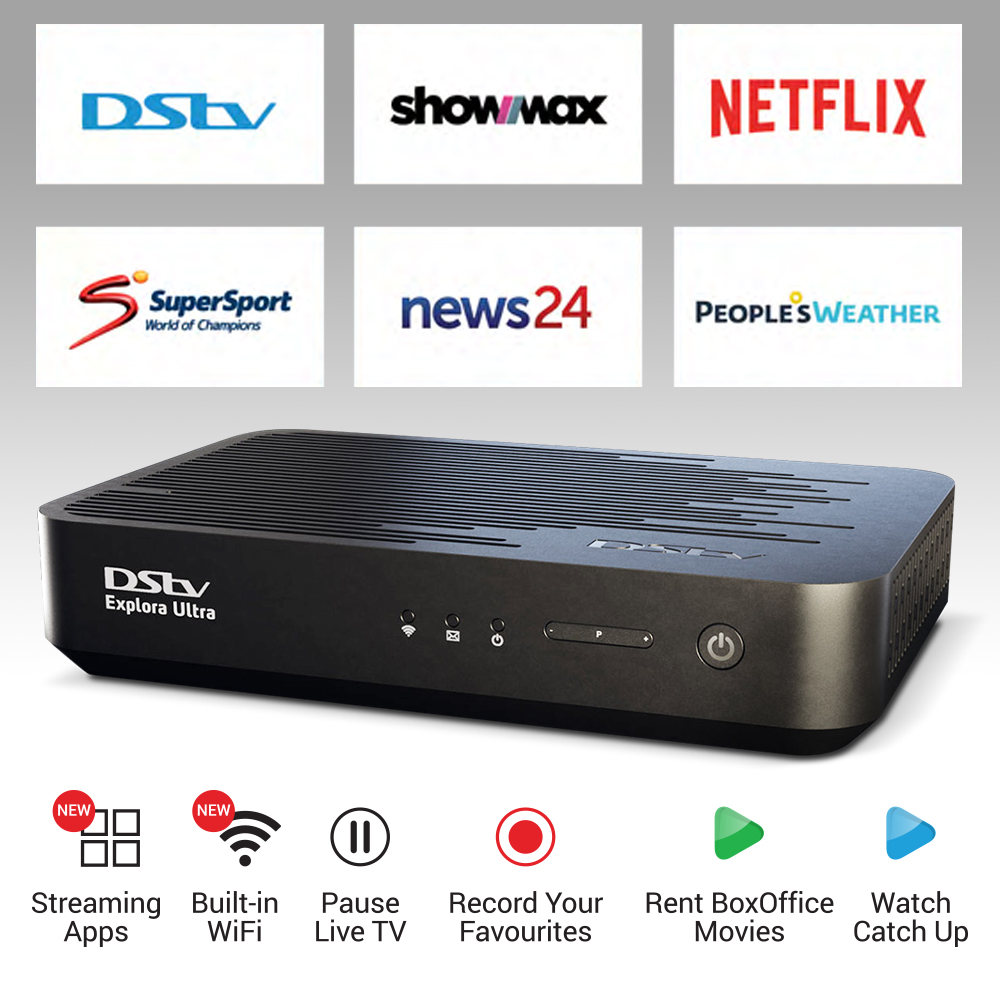
Once the outside equipment is ready, we connect the decoder to the television and other required equipment.
We check the power connections and make sure the decoder communicates correctly with the television. If the customer has additional viewing equipment, we can also assess the connections needed for the particular setup.
As a result, the customer receives a complete system rather than simply a mounted satellite dish.

Signal Alignment and Testing
Signal testing forms an important part of Dstv Installation. We do not simply connect the equipment and leave without checking reception. Instead, we examine the signal after aligning the dish. We also check the connections and confirm that the decoder receives the required channels. If the signal does not meet the expected level, we make further adjustments. This step can help identify alignment problems before they become frustrating viewing issues